| | |
|---|---|
| | |
| | |
| | |
| | |
| | |
| | |
| | |
| | |
|---|---|
| | |
| | |
| | |
| | |
| | |
| | |
| | |
EQ15283

Disclaimer: Actual listing attachments and options may vary from photo.
EQ15283
Make
ASHLAND
Model
DB-PAN
Enter your email address and we'll send you details and high resolution photos.
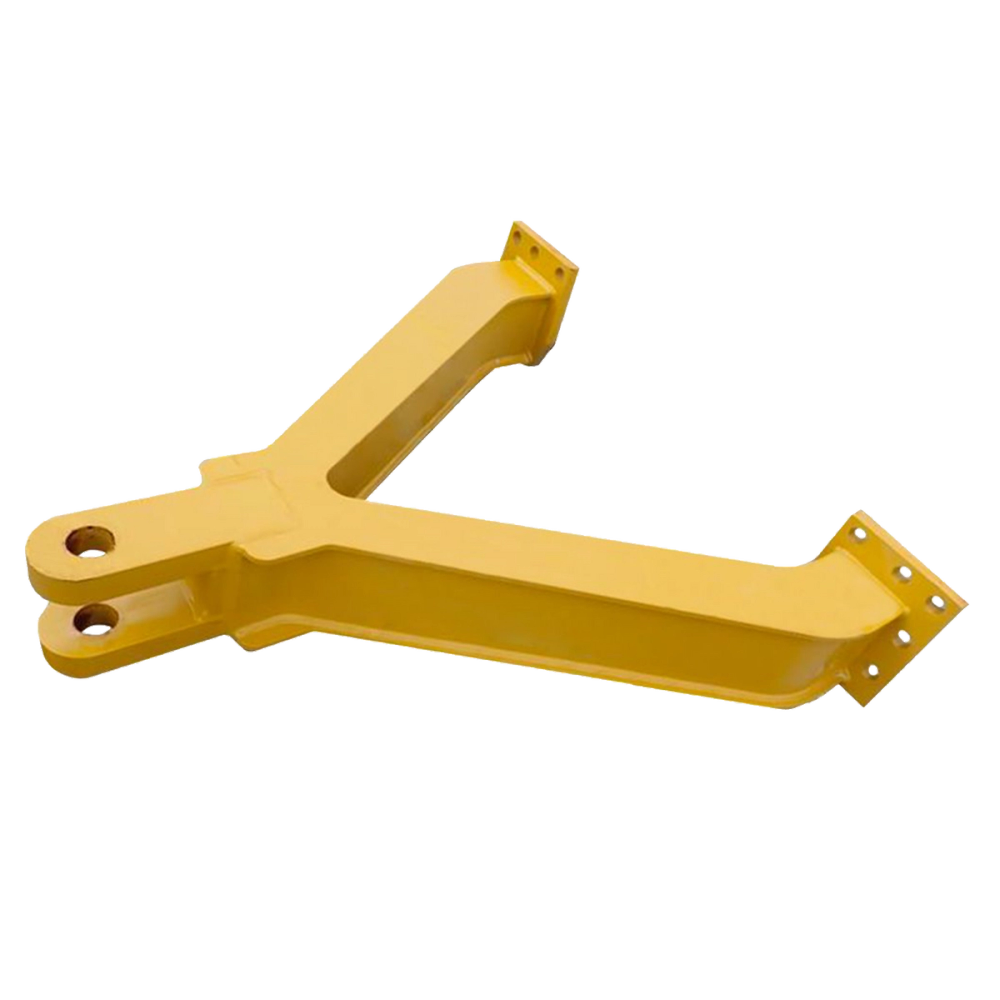
This Ashland draw bar is specifically engineered to connect a John Deere 9R tractor to an Ashland pan, providing a reliable and purpose-built towing solution for earthmoving and grading operations. Designed for heavy-duty job site use, this draw bar serves as the critical link between machine and implement, allowing operators to efficiently pull and control the Ashland pan across a wide range of soil and terrain conditions.
One of the primary benefits of using this Ashland draw bar is the compatibility it provides between two proven pieces of equipment. Rather than relying on a generic or improvised connection, this draw bar is built to match the specific mounting points and load requirements of both the John Deere 9R tractor and the Ashland pan, reducing the risk of mechanical failure and unplanned downtime on the job site.
For contractors and earthmoving operators, minimizing equipment downtime directly impacts project timelines and profitability. A properly fitted draw bar like this one helps ensure that the tractor and pan work together as an integrated unit, reducing wear on both machines and extending their overall service life. This translates to lower maintenance costs and a better return on your equipment investment over time.
The productivity gains from using correctly matched equipment are measurable. With this draw bar in place, operators can move more material per hour with confidence, knowing the connection between the tractor and pan is secure and functioning as intended. Greater efficiency per shift means more competitive bids and improved margins on earthwork contracts.
What sets this Ashland draw bar apart is its model-specific design for the John Deere 9R series tractor paired with the Ashland pan, making it a precise fit rather than a universal approximation. This level of specificity in manufacturing supports optimal load transfer and operational stability, which is especially important during demanding cut and fill applications where consistent performance is essential.